

Pay It Now Security Guide
How to Keep Yourself Safe in the Crypto Space
Protecting yourself online starts with understanding how scams work. This guide covers common cryptocurrency scams, practical security tips, and what to do if you think you've been targeted.
Understanding the Risks
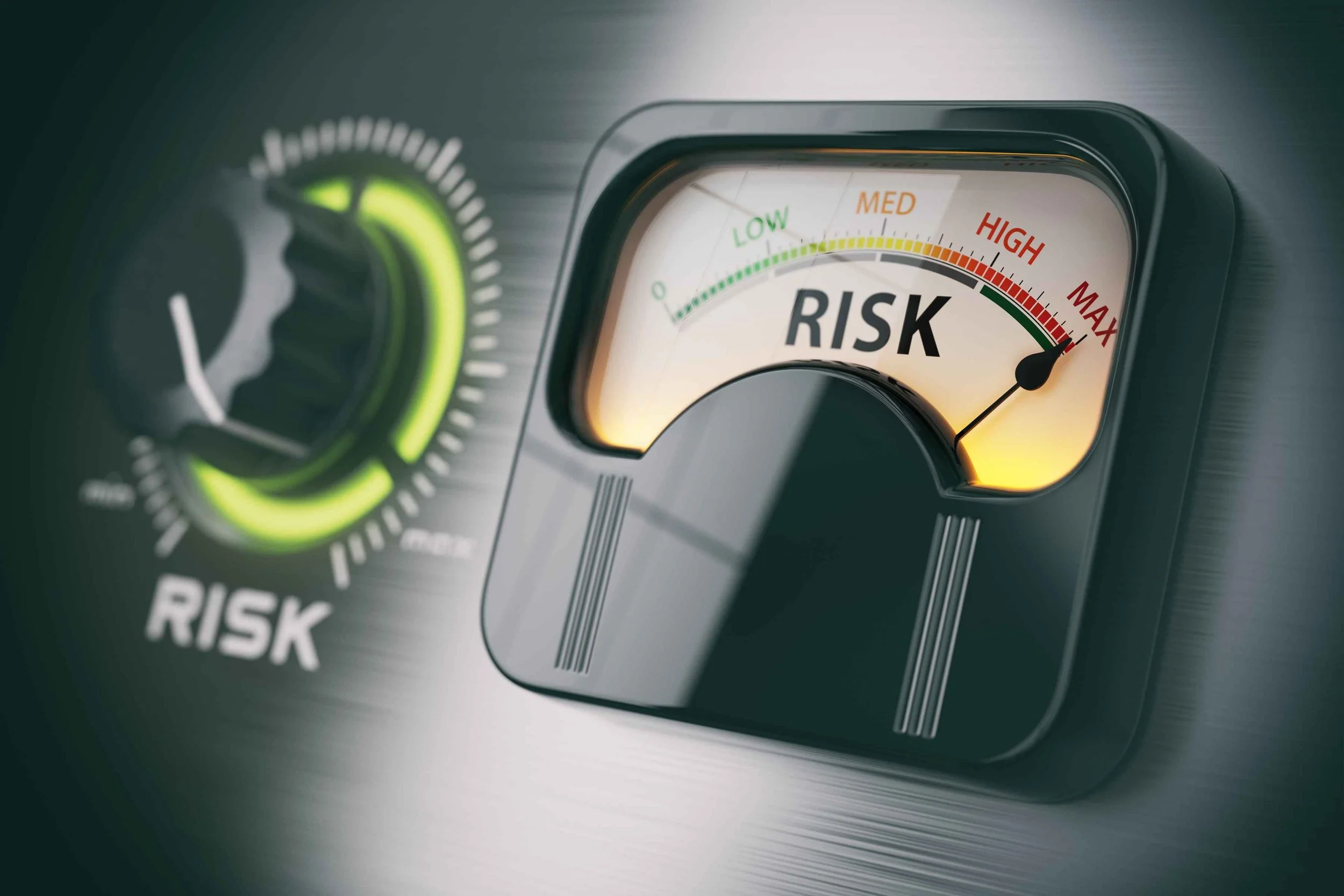
Cryptocurrency has transformed the way people buy, sell and manage digital assets. Unfortunately, as its popularity has grown, so too have the number of scams targeting cryptocurrency users.
The good news is that most scams don't involve criminals "hacking" blockchain technology. Instead, they rely on deception, impersonation and social engineering to trick people into revealing sensitive information or voluntarily sending cryptocurrency.
These scams are becoming increasingly sophisticated, using convincing websites, fake investment platforms, realistic emails and text messages, and even phone calls from people claiming to represent trusted organizations.
Anyone can become a victim. Whether you're new to cryptocurrency or an experienced investor, understanding how these scams work and recognizing the warning signs is one of the best ways to protect yourself and your digital assets.
Building Good Security Habits
Good online security isn't about doing one thing perfectly - it's about consistently following a number of simple habits.
By adopting good security practices in your everyday online activity, you can significantly reduce the likelihood of becoming the victim of a scam or unauthorized account access.
Below are some of the most effective ways to protect yourself.
Common Cryptocurrency Scams
Scammers are constantly adapting their tactics to take advantage of new technology, current events and people's trust. While their stories may differ, most scams rely on creating urgency, building trust or promising unrealistic rewards.
Understanding how these scams work is one of the best ways to protect yourself. Below are some of the most common scams affecting cryptocurrency users today.
-
What is it?
Employment scams involve fraudsters advertising fake job opportunities, often through social media, messaging apps or online job boards. These scams usually promise flexible hours, high pay or the opportunity to earn money from home with little experience required.
Rather than offering genuine employment, the goal is to convince victims to send money, purchase cryptocurrency or become involved in moving funds on behalf of criminals.
How does it work?
A scammer contacts you about an attractive job opportunity or responds to your application.
Initially, the work appears genuine. You may be asked to complete simple online tasks, review products, process "orders" or assist with cryptocurrency transactions. Sometimes the scammer even pays a small amount of money early on to build your confidence.
As the relationship develops, you're told that completing larger tasks requires you to deposit your own money or cryptocurrency first. You're promised your deposit will be returned along with generous commissions.
Eventually, you're unable to withdraw your earnings and the scammer disappears with your funds.
Some employment scams instead involve asking victims to receive or transfer money on behalf of the company. In reality, this can make the victim an unwitting money mule involved in laundering stolen funds.
Example
You receive a WhatsApp message offering a remote role paying hundreds of dollars each day for completing simple online tasks.
After completing several tasks, you receive a small payment, making the opportunity appear genuine.
You're then asked to "upgrade" your account by depositing NZD $1,000 worth of cryptocurrency to unlock higher-paying tasks. Once you send the funds, you're told additional deposits are required before you can withdraw your earnings.
The withdrawals never arrive.
Warning Signs
High income for little effort.
Contact through WhatsApp, Telegram or social media.
No formal interview process.
Requests to pay money before you can earn money.
Being paid in cryptocurrency without explanation.
Requests to transfer money for other people.
Pressure to act quickly.
How to Protect Yourself
Legitimate employers do not ask employees to pay money to start work.
Research the company independently, verify job advertisements through official websites, and be cautious of unsolicited job offers received through messaging apps.
Never send cryptocurrency or accept jobs involving moving money on behalf of strangers.
-
What is it?
Recovery scams specifically target people who have already lost money to another scam.
Fraudsters pretend to be lawyers, blockchain investigators, government agencies or cryptocurrency recovery specialists who claim they can recover stolen funds - for a fee.
How does it work?
Scammers search public forums and social media for people discussing previous scams.
They then contact victims claiming they've located the stolen cryptocurrency and simply require an administration fee, tax payment or legal deposit before releasing the funds.
Once the payment is made, further fees continue to appear until the victim realizes no recovery was ever taking place.
Example
Several weeks after losing cryptocurrency to an investment scam, you're contacted by someone claiming to work for an international recovery company.
They tell you they've successfully traced your funds and only require NZD $750 to prepare legal documents before returning your cryptocurrency.
After paying, additional fees continue to appear.
No cryptocurrency is ever recovered.
Warning Signs
Unsolicited contact after you've been scammed.
Guaranteed recovery of lost cryptocurrency.
Upfront fees.
Requests for cryptocurrency payments.
Pressure to pay immediately.
Claims of working with law enforcement without evidence.
How to Protect Yourself
Be extremely cautious of anyone promising guaranteed recovery of cryptocurrency.
Most legitimate law enforcement agencies and government organizations will never request cryptocurrency payments.
If you've been scammed, report the incident through official channels rather than engaging with unsolicited recovery services.
-
What is it?
Phishing scams attempt to trick people into revealing passwords, Two-Factor Authentication (2FA) codes or other sensitive information by impersonating trusted organizations.
How does it work?
Victims receive emails, text messages or phone calls claiming there's a problem with their account.
The message usually contains a link to a fake website that looks almost identical to the genuine one.
When victims enter their login details, those credentials are immediately captured by the scammer.
Example
You receive an email claiming your cryptocurrency account has been suspended due to suspicious activity.
The email contains a button labelled "Verify Account."
The website looks genuine, but after entering your username, password and 2FA code, the information is sent directly to the scammer.
Warning Signs
Unexpected account warnings.
Poor spelling or grammar.
Suspicious website addresses.
Requests for passwords or security codes.
Urgent deadlines.
Generic greetings.
How to Protect Yourself
Never log in through links received unexpectedly.
Instead, open your browser and visit the website directly using your saved bookmark or by typing the address yourself.
Always check the website address carefully before entering your login details.
-
What is it?
Investment scams promise guaranteed profits, unrealistic returns or exclusive investment opportunities with little or no risk.
How does it work?
Scammers build trust by showing fake profits, testimonials and trading dashboards.
Victims are encouraged to invest increasingly larger amounts.
When they attempt to withdraw funds, additional taxes, verification fees or minimum withdrawal requirements suddenly appear.
Eventually, the website disappears.
Example
Someone on Instagram introduces you to an investment platform claiming to generate 20% returns every month.
Your online dashboard shows your balance growing rapidly.
When you attempt to withdraw, you're told you must first pay tax on your profits.
The tax payment disappears along with your investment.
Warning Signs
Guaranteed returns.
"Risk-free" investments.
Celebrity endorsements.
Pressure to invest immediately.
Exclusive offers.
Withdrawal fees before releasing funds.
How to Protect Yourself
If it sounds too good to be true, it probably is.
Research investment opportunities thoroughly and remember that all legitimate investments involve some level of risk.
Never invest solely because someone online tells you to.
-
What is it?
Scammers impersonate banks, government agencies, courier companies or cryptocurrency exchanges over the phone or by text message.
How does it work?
Victims receive unexpected calls claiming their account has been compromised.
The scammer attempts to create urgency and convince the victim to provide sensitive information or transfer funds to a "safe" account.
Example
Someone claiming to be from Pay It Now calls and says your account has been hacked.
They ask you to verify your account by reading out your Two-Factor Authentication code.
In reality, they're attempting to log into your account.
Warning Signs
Unexpected phone calls.
Requests for passwords or 2FA codes.
Pressure to act immediately.
Threats that your account will be closed.
Requests to move funds to another wallet.
How to Protect Yourself
Hang up.
Contact the organization using the publicly listed phone number on their official website.
Never rely on the phone number provided by the caller.
-
What is it?
Money mule scams recruit people to receive or transfer money on behalf of criminals.
Many victims don't realise they're participating in criminal activity.
How does it work?
Victims are offered commission in exchange for receiving money into their bank account or cryptocurrency wallet before forwarding it elsewhere.
The funds often originate from fraud or theft.
Warning Signs
Easy money for moving funds.
Requests to use your personal bank account.
Instructions to transfer cryptocurrency for someone else.
"Financial agent" roles.
How to Protect Yourself
Never allow your bank account or cryptocurrency wallet to be used by someone else.
If you're unsure why someone wants to use your account, decline immediately.
-
What is it?
Romance scams involve fraudsters creating fake online relationships to build trust before asking for money or cryptocurrency. These scams often begin through dating websites, social media, or messaging apps and can continue for weeks or even months before any financial request is made.
The scammer's goal is to develop an emotional connection, making it more likely the victim will send money without questioning the request.
How does it work?
The scammer spends time building a relationship, often communicating daily and sharing fabricated stories about their life. They may claim to be working overseas, serving in the military, or travelling for business, making it difficult to meet in person.
Once trust has been established, they begin asking for financial help. This may be for medical emergencies, travel expenses, business opportunities or cryptocurrency investments they claim will benefit both of you.
Over time, the requests often become more frequent and larger in value.
Example
You meet someone through social media who quickly becomes a regular part of your daily life. After several months of conversation, they tell you they've found an incredible cryptocurrency investment opportunity but are temporarily unable to access their own funds.
They ask if you can purchase cryptocurrency on their behalf, promising they'll repay you as soon as they're able.
After several payments, communication suddenly stops and you discover the person never existed.
Warning Signs
Relationships progressing unusually quickly.
Excuses for never meeting in person.
Requests for money or cryptocurrency.
Investment opportunities introduced during the relationship.
Requests to keep the relationship private.
Emotional pressure or guilt if you refuse.
How to Protect Yourself
Never send money or cryptocurrency to someone you've only met online.
Be cautious of anyone introducing investment opportunities into a personal relationship, and seek the opinion of trusted family or friends if you're unsure.
-
What is it?
Scammers impersonate customer support staff from cryptocurrency exchanges, banks or wallet providers in an attempt to obtain sensitive information or convince customers to transfer funds.
These scams commonly occur through social media, messaging apps, fake websites or unsolicited phone calls.
How does it work?
After seeing someone ask for help online, scammers quickly respond pretending to be official support staff.
They may ask you to verify your account by providing passwords, Two-Factor Authentication (2FA) codes, wallet recovery phrases or private keys.
Some attempt to convince customers to transfer funds to a "temporary safe wallet" while they investigate a supposed security issue.
Example
You post on social media asking for help with a delayed transaction.
Within minutes, someone claiming to represent Pay It Now contacts you privately and asks you to verify your account by providing your 2FA code.
The account is fake, and the scammer is attempting to gain access to your account.
Warning Signs
Unsolicited private messages offering support.
Requests for passwords or security codes.
Requests for your wallet recovery phrase.
Requests to transfer funds to another wallet.
Poor spelling or unofficial social media accounts.
How to Protect Yourself
Only contact Pay It Now using the support channels published on our official website.
Pay It Now will never ask for your password, Two-Factor Authentication codes, wallet recovery phrase or private keys.
Remember
Scammers constantly change their stories, but their tactics remain remarkably similar. They often create urgency, build trust over time, promise unrealistic rewards, or pressure people into making quick decisions.
If something feels unusual, stop and take a moment to verify what you've been told. Speaking to a trusted friend or family member, or contacting the organization directly using publicly available contact details, can often prevent a costly mistake.
Being cautious isn't about missing opportunities - it's about making informed decisions and protecting yourself online.
⚠️ Warning Signs
While scams come in many different forms, most use the same psychological tactics to manipulate people into making decisions they wouldn't normally make.
If you recognize these warning signs early, you can often avoid becoming the victim of a scam.
-
One of the most common tactics scammers use is creating a false sense of urgency.
They may claim your account has been compromised, an investment opportunity is about to expire, or you'll lose access to your funds unless you act immediately.
Urgency is designed to stop you from thinking clearly or taking the time to verify the information.
Take your time. Genuine organisations will allow you the opportunity to verify important information before making a decision.
-
Promises of guaranteed profits, risk-free investments, or unusually high returns should always be treated with caution.
All legitimate investments involve some level of risk. Anyone promising consistent returns with no downside is likely attempting to deceive you.
If an opportunity seems unbelievably good, it's worth asking yourself why it would be offered to strangers online.
-
No legitimate organization should ever ask for:
Your password
Your Two-Factor Authentication (2FA) code
Your wallet recovery phrase (seed phrase)
Your private keys
These credentials are designed to remain private. Anyone requesting them is attempting to gain access to your accounts.
-
This is one of the fastest-growing cryptocurrency scams.
Fraudsters may claim your wallet has been compromised and instruct you to move your cryptocurrency to a "safe wallet" while they investigate.
In reality, the wallet belongs to the scammer.
Once cryptocurrency is transferred, it generally cannot be reversed.
-
Scammers often tell victims not to discuss an opportunity with family, friends, banks or customer support.
They know that the more people who know about the situation, the more likely someone will recognize the scam.
If someone tells you to keep a financial opportunity confidential, that's a significant warning sign.
-
While cryptocurrency is a legitimate payment method, scammers frequently request payment in cryptocurrency because transactions are generally irreversible.
Be especially cautious if someone insists that cryptocurrency is the only acceptable payment method or that you must pay a fee to have funds released or recovered.
-
No legitimate cryptocurrency exchange or financial institution should unexpectedly ask you to install software such as:
AnyDesk
TeamViewer
RustDesk
Supremo
Other remote desktop applications
These programs allow another person to control your device remotely.
If someone you've never met asks you to install remote access software, end the conversation immediately.
-
Sometimes your instincts are your best defense.
Perhaps the conversation feels rushed.
The story keeps changing.
The person becomes aggressive when questioned.
The opportunity sounds unrealistic.
Or perhaps you simply have a feeling that something isn't quite right.
Trust that instinct.
It's always better to pause, verify the information independently, and ask questions than to rush into a decision you'll later regret.
Stop. Think. Verify.
Whenever you're asked to provide personal information, send money, or make an important financial decision, take a moment to ask yourself these questions:
Was I expecting this communication?
Am I being pressured to act quickly?
Have I independently verified who I'm speaking with?
Am I being asked to share sensitive information?
Would I feel comfortable explaining this situation to a family member or friend?
Does this opportunity sound realistic?
If you answer "No" or "I'm not sure" to any of these questions, stop what you're doing and take the time to verify the situation before continuing.
A few minutes of caution today could prevent significant financial loss tomorrow.
Think You've Been Scammed?
If you believe you've been targeted by a scam, acting quickly can help reduce further losses and improve the chances of securing your accounts.
While every situation is different, following the steps below as soon as possible can help protect your personal information, financial accounts and digital assets.
-
If you suspect someone is attempting to scam you, stop all communication immediately.
Do not reply to further emails, text messages or social media messages, and end any phone calls. If possible, block the individual on the platform they contacted you through.
Be cautious of anyone who continues trying to pressure you after you've questioned them.
-
If you've already made a payment, do not send additional funds.
Scammers frequently claim that another payment is required to release your investment, recover your funds, unlock your account or pay taxes and administration fees.
These are common tactics designed to extract even more money.
-
Your email account is often the key to your digital identity.
If someone gains access to your email, they may be able to reset passwords for other online services.
Immediately:
Change your email password.
Enable Two-Factor Authentication (2FA) if it isn't already enabled.
Review recent login activity.
Check for unfamiliar forwarding rules or recovery email addresses.
-
If you've entered your password on a suspicious website or shared it with someone else, change it immediately.
Start with your most important accounts, including:
Pay It Now
Your email account
Online banking
Other cryptocurrency exchanges
Password manager (if applicable)
If you've reused the same password across multiple websites, update those accounts as well.
-
If you haven't already enabled 2FA, now is the time.
Two-Factor Authentication provides an additional layer of security that can help prevent unauthorized access, even if your password has been compromised.
Where possible, enable 2FA on:
Pay It Now
Your email account
Banking apps
Other cryptocurrency platforms
Password managers
-
If you've made a payment using a bank account, debit card or credit card, contact your financial institution immediately.
They may be able to:
Stop pending payments.
Monitor your accounts for suspicious activity.
Replace compromised cards.
Provide additional security advice.
The sooner you contact them, the more options may be available.
-
If you believe your Pay It Now account has been affected, contact our Support Team as soon as possible.
Provide as much information as you can, including:
What happened.
When it happened.
Any wallet addresses involved.
Transaction hashes (if available).
Screenshots of messages or emails.
Phone numbers or usernames used by the scammer.
This information may assist our investigation and help us understand what has occurred.
-
Reporting scams helps authorities identify emerging threats and may help protect others from becoming victims.
Depending on your circumstances, you may wish to report the incident to:
Netsafe
New Zealand Police
Your bank
The platform where the scam occurred
Other relevant government agencies
Even if your funds cannot be recovered, reporting the incident provides valuable intelligence that may assist future investigations.
-
Scammers don't always stop after the initial incident.
Monitor your accounts over the following days and weeks for any unusual activity, including:
Unexpected login attempts.
Password reset emails.
Unrecognized transactions.
Changes to your account settings.
If anything looks suspicious, secure your account immediately.
-
Unfortunately, people who have already been scammed are often targeted again.
Be extremely cautious of anyone claiming they can recover your cryptocurrency for an upfront fee.
These "recovery services" are often scams themselves and are often tempting to those who may have suffered loss.
Never send additional money to someone promising guaranteed recovery of lost funds.
Remember
Becoming the victim of a scam can happen to anyone.
Scammers are skilled at exploiting trust, emotion and urgency, and many scams are designed to appear completely legitimate.
If you believe you've been targeted, don't let embarrassment stop you from asking for help.
Taking action quickly, reporting the incident, and securing your accounts can make a significant difference.
How Pay It Now Will Contact You

Unfortunately, scammers sometimes impersonate legitimate businesses, including banks, government agencies and cryptocurrency exchanges, in an attempt to gain your trust.
At Pay It Now, protecting our customers is a priority. Understanding how we communicate and just as importantly, how we don't communicate, can help you identify fraudulent phone calls, emails, text messages and social media messages pretending to be from our team.
If you're ever unsure whether a communication is genuine, stop the conversation and contact us directly using the contact details published on our official website.
What will we ask for?
We May ask...
There are times when we may need to contact you regarding your account or a request you've made.
This may include:
Responding to a support ticket you've submitted.
Requesting additional information to complete identity verification (KYC).
Notifying you about the progress of a transaction or support request.
Advising you of important account or security updates.
Confirming information you've provided during an existing support inquiry.
Contacting you regarding compliance or regulatory requirements.
We will only communicate through our official support channels or via the email address registered to your account.
We Will Never...
To help protect our customers, there are certain things our staff will never ask you to provide.
We will never ask for:
Your account password.
Your Two-Factor Authentication (2FA) code.
Your wallet recovery phrase (seed phrase).
Your private keys.
Your Web3 Mastercard PIN, security code or CVV.
Your full internet banking password.
Remote access to your computer or mobile device.
One-time verification codes sent by email or SMS.
To transfer cryptocurrency to a "safe wallet."
If anyone claiming to represent Pay It Now asks you for any of the above, end the conversation immediately and contact us directly using the contact details published on our official website.
If You're Ever Unsure, Verify
Whether you've received a phone call, email, text message or social media message claiming to be from Pay It Now, always take a moment to verify that the communication is genuine before taking any action.
If you're ever unsure, end the conversation and contact Pay It Now yourself using the official contact details published on our website. We'd much rather you verify a genuine communication than respond to a fraudulent one.
When it comes to protecting your account, there is no such thing as being too cautious.

Helpful Resources
-
Netsafe
Netsafe is New Zealand's leading online safety organisation, providing free advice and support for people affected by scams, phishing, cyber abuse and other online safety issues.
Website: https://netsafe.org.nz
Online Report: https://report.netsafe.org.nz
Phone: 0508 NETSAFE (0508 638 723)
Text: 4282
Best for: Online scams, phishing, fake websites, social media scams and online safety advice.
New Zealand Police
If you've lost money through a scam or believe you've been the victim of fraud, report the incident to New Zealand Police.
Emergency: 111
Non-Emergency: 105
Online Reporting: https://105.police.govt.nz
Best for: Fraud, financial crime and criminal scam reporting.
Department of Internal Affairs (DIA)
Report spam emails and scam text messages to the Department of Internal Affairs.
Website: https://www.dia.govt.nz/Spam-How-to-Report-Scams
Forward scam text messages: 7726 (SPAM)
Best for: Spam emails, phishing emails and scam text messages.
National Cyber Security Centre (NCSC)
The NCSC provides advice on cyber security incidents and protecting your devices and online accounts.
Website: https://www.ncsc.govt.nz
Report an Incident: https://www.ncsc.govt.nz/report-an-incident
Best for: Cyber security incidents, malware and device compromise.
Consumer Protection New Zealand
Consumer Protection provides practical advice on recognising scams, understanding your rights and knowing where to report fraudulent activity.
Website: https://www.consumerprotection.govt.nz
Best for: Scam awareness, consumer rights and reporting guidance.
-
Scamwatch (National Anti-Scam Centre)
Scamwatch provides current scam alerts, prevention advice and information on how to report scams affecting Australians.
Website: https://www.scamwatch.gov.au
Best for: Current scam alerts, scam prevention and reporting.
ReportCyber
ReportCyber is the Australian Government's online reporting service for cybercrime and online fraud.
Website: https://www.cyber.gov.au/report-and-recover/report
Best for: Reporting cybercrime, online fraud and identity-related offences.
Australian Cyber Security Hotline
If you've experienced a cyber security incident, the Australian Cyber Security Hotline can provide advice and assistance.
Phone: 1300 CYBER1 (1300 292 371)
Website: https://www.cyber.gov.au
Best for: Cyber security incidents and technical guidance.
IDCARE
IDCARE is Australia's national identity and cyber support service, providing free, confidential assistance to individuals affected by identity theft and scams.
Website: https://www.idcare.org
Phone: 1800 595 160
Best for: Identity theft, identity fraud and cyber support.
Australian Financial Complaints Authority (AFCA)
If your complaint relates to an Australian financial institution and you have been unable to resolve it directly, AFCA may be able to assist.
Website: https://www.afca.org.au
Phone: 1800 931 678
Best for: Financial services disputes.
FAQ’s (Frequently Asked Questions)
-
Act as quickly as possible. Stop communicating with the scammer, don't send any more money, secure your accounts by changing your passwords and enabling Two-Factor Authentication (2FA), then contact your bank and Pay It Now if your account may have been affected. The sooner you act, the greater the opportunity to minimize further loss.
-
Not necessarily. Simply clicking a link doesn't always mean your account has been compromised. However, if you entered your username, password, Two-Factor Authentication code or other sensitive information, you should immediately change your password, enable 2FA if it isn't already enabled, and monitor your account for unusual activity.
-
In most cases, cryptocurrency transactions cannot be reversed once they've been confirmed on the blockchain. This is why it's so important to carefully check wallet addresses and verify who you're sending funds to before completing a transaction.
-
Unfortunately, cryptocurrency transactions are generally irreversible. While we may be able to assist with investigating activity that has occurred on the Pay It Now platform or provide information that may assist relevant authorities, we cannot guarantee the recovery of cryptocurrency that has already been transferred to another wallet or platform.
-
No. Pay It Now will never ask for your password, Two-Factor Authentication code, wallet recovery phrase, private keys, Web3 Mastercard PIN or security code, or ask you to transfer funds to a "safe wallet." If anyone claiming to represent Pay It Now asks for this information, end the conversation immediately and contact us using the official contact details published on our website.
-
There may be occasions where we contact you regarding an existing support request, identity verification or another account-related matter. However, if you ever receive an unexpected phone call claiming to be from Pay It Now and you're unsure whether it's genuine, end the call and contact us yourself using the official phone number published on our website.
-
A wallet recovery phrase, often called a seed phrase, is a series of words that provides complete access to a cryptocurrency wallet. Anyone with your recovery phrase can access your wallet and transfer your cryptocurrency. It should never be shared with anyone, including Pay It Now.
-
Two-Factor Authentication adds an additional layer of security to your account. Even if someone discovers your password, they won't be able to access your account without the second verification factor. We strongly recommend enabling 2FA on your Pay It Now account, your email account and any other important online services.
-
Be extremely cautious. Fraudsters commonly use remote access software such as AnyDesk, TeamViewer and similar applications to gain control of victims' devices. If someone unexpectedly asks you to install remote access software, particularly in relation to your finances or cryptocurrency, end the conversation and verify who you're dealing with before taking any further action.
-
If you believe you've been targeted by a scam, you should report it to the relevant organization as soon as possible. Depending on the circumstances, this may include Pay It Now, your bank, Netsafe, New Zealand Police, the Department of Internal Affairs, or the platform where the scam occurred. Reporting scams helps authorities identify new scam trends and may help protect others from becoming victims.

How Pay It Now Protects You
Security is a shared responsibility.
While we encourage every customer to follow good online security practices, Pay It Now also invests in a range of security measures designed to help protect customer accounts, maintain the integrity of our platform, and support a safe cryptocurrency ecosystem.
Our security measures include:
Identity verification (KYC) to help prevent fraud and meet regulatory obligations.
Two-Factor Authentication (2FA) to strengthen account security.
Transaction monitoring and fraud detection systems.
Manual review of higher-risk activities.
Ongoing investment in security improvements and platform enhancements.
Customer education through security guides, scam awareness campaigns and regular communications.
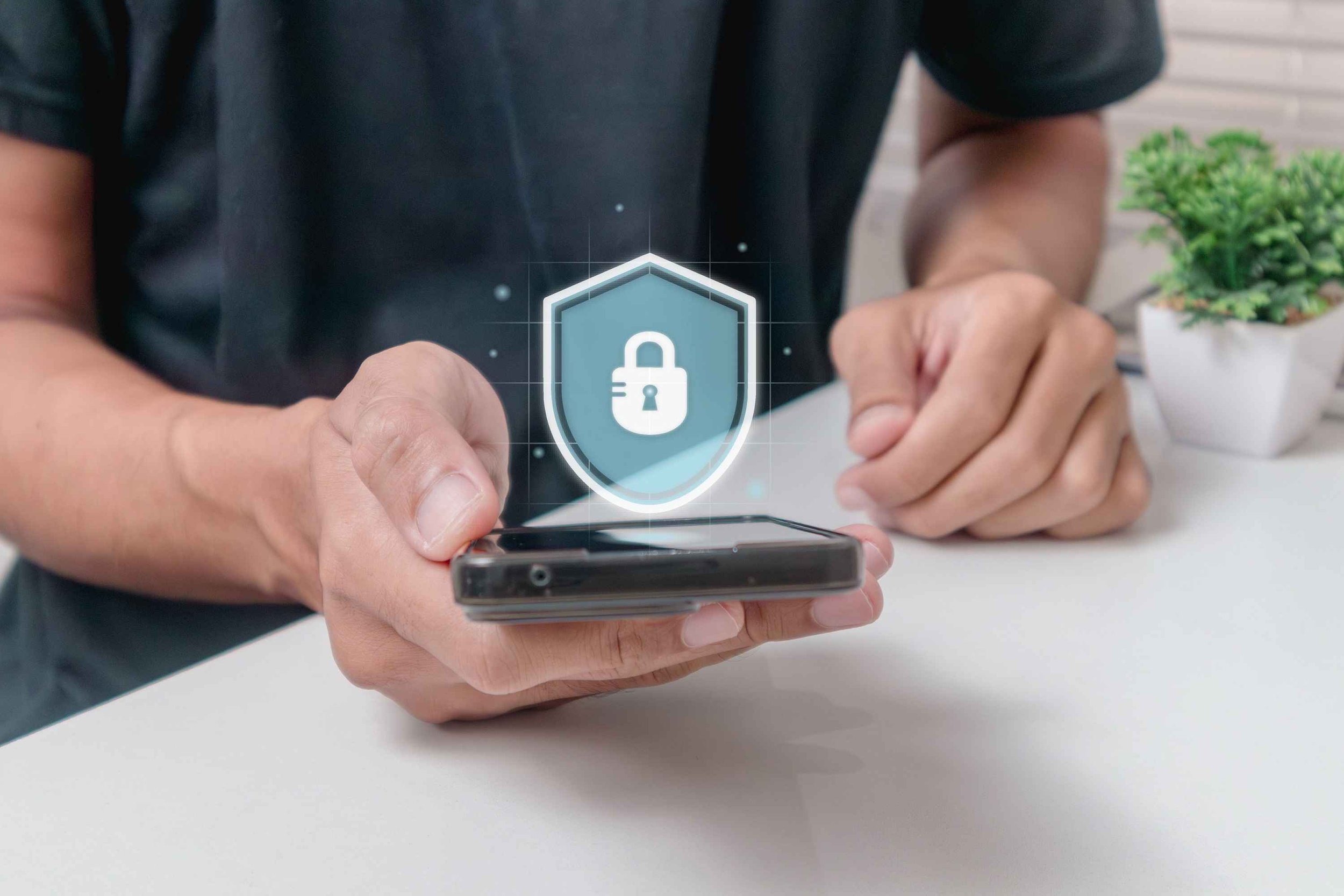
No online platform can eliminate every scam, particularly those that rely on social engineering, impersonation, or credentials that have been compromised through breaches of other platforms, websites, or companies, leading to unauthorized access to accounts.
However, by combining strong security controls with informed and vigilant customers, we can all help create a safer cryptocurrency community.
If you ever have concerns about your account, or believe you've been targeted by a scam, please contact the Pay It Now Support Team. We're here to help.
Disclaimer
The information provided in this Security Guide is for general educational and awareness purposes only. It is intended to help you better understand common cryptocurrency security risks and how to protect yourself online. It does not constitute financial, investment, legal, tax, cybersecurity, or other professional advice.
While Pay It Now makes every effort to ensure the information is accurate and up to date, scams, technologies, and security threats continue to evolve. You should always conduct your own research, exercise caution, and seek independent professional advice where appropriate before making financial or security-related decisions.
Pay It Now accepts no responsibility for any loss or damage resulting from reliance on the information contained in this guide.